
Integrated Pest Management Ipm What It Is and Why Its the Future of Pest Control in Lake Orion, MI
Traditional “spray-and-go” pest control is becoming less effective, more harmful to the environment, and increasingly outdated. Today’s property owners want safer, smarter, and sustainable pest solutions, and that’s exactly where Integrated Pest Management (IPM) steps in.
IPM is a modern, science-driven approach that combines biological, cultural, mechanical, and targeted chemical practices to control pests with minimal environmental impact.
In this blog, we break down what IPM really means, why it’s becoming the future of pest control, and how Presidio Pest Management integrates IPM to deliver safer, long-lasting results for homes and businesses.
What Is Integrated Pest Management (IPM)?
Integrated Pest Management is a holistic pest-control strategy centered on prevention, environmental responsibility, and long-term results. Instead of relying on broad chemical sprays, IPM combines biological, cultural, mechanical, and targeted chemical practices, applied in a logical sequence based on pest behavior and environmental conditions.
The process begins with thorough inspection and pest identification. Technicians determine how and why pests are entering a property, evaluate environmental conditions, and set action thresholds to avoid unnecessary treatment.
Only after assessing the entire ecosystem does a knowledgeable professional choose the safest and most effective method, whether biological, mechanical, or chemical, to control the pest.
This approach dramatically reduces overuse of pesticides, minimizes health risks, and strengthens overall pest resistance management.
Core Practices Behind an Effective IPM Program
The strength of IPM lies in its combination of methods. Biological control relies on natural predators, beneficial organisms, and environmentally friendly bio-agents to regulate pest populations.
Cultural controls focus on improving sanitation, adjusting landscaping, eliminating moisture sources, and altering environmental conditions that allow pests to thrive. Mechanical control includes exclusion work, sealing gaps, installing barriers, and using traps or physical removal techniques.
Chemical intervention is reserved as a final step, and even then, IPM emphasizes low-toxicity, targeted treatments instead of broad applications. This ensures that chemicals are used responsibly and only when they are truly needed, making IPM safer for families, pets, and sensitive environments.
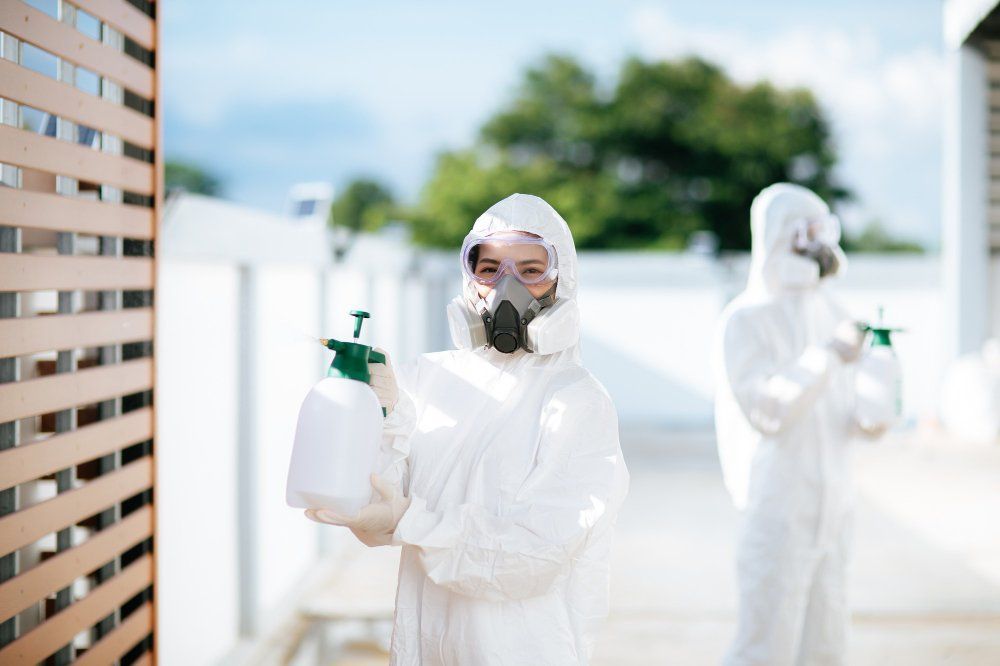
Why IPM Is the Future of Pest Control
1. Environmentally Safe & Family-Friendly
Modern customers want pest control that’s safe for kids, pets, and the planet.
IPM minimizes harmful chemicals, making it ideal for:
- Homes
- Schools
- Restaurants
- Hospitals
- Commercial buildings
It reduces pesticide exposure and protects local ecosystems.
2. Reduced Chemical Resistance
Overuse of pesticides has led to super-pests, insects that no longer respond to standard treatments.
IPM prevents this by rotating strategies and reducing chemical dependency, keeping pests from evolving resistance.
3. More Cost-Effective in the Long Run
While conventional treatments often require constant re-spraying, IPM focuses on:
- Prevention
- Long-term solutions
- Structural fixes
- Monitoring plans
This lowers the need for repeated service calls and offers better ROI over time.
4. Increasing Government & Industry Adoption
Schools, hospitals, food facilities, and agricultural bodies globally are shifting to IPM because it aligns with:
- Health regulations
- Safety standards
- Sustainability goals
This trend continues to grow each year, making IPM the new industry standard.
How Presidio Pest Management Implements IPM
Presidio Pest Management is committed to delivering smart, sustainable, and long-lasting pest solutions using modern IPM practices. Here is how we incorporate IPM into our services:
1. Detailed Monitoring & Inspection
We start by identifying:
- Pest species
- Breeding sources
- Entry points
- Environmental conditions
- Activity patterns
This ensures accurate diagnosis and avoids unnecessary chemical use.
2. Preventive & Cultural Recommendations
Presidio provides property-specific guidance on:
- Sealing cracks and gaps
- Moisture control
- Waste handling
- Landscaping adjustments
- Food storage improvement
- Sanitation best practices
This reduces pest pressure before treatment even begins.
3. Eco-Friendly Biological & Mechanical Controls
Where applicable, Presidio uses:
- Baiting systems
- Traps
- Insect growth regulators
- Beneficial organisms
- Exclusion services
- Physical barriers
This helps reduce pesticide load in homes and businesses.
4. Targeted Chemical Treatments
If chemicals are required, Presidio:
- Uses low-toxicity formulas
- Applies treatments only to affected areas
- Avoids unnecessary broadcast spraying
- Selects products approved for sensitive environments
This protects your family and maintains healthier indoor air quality.
5. Integrated, Long-Term Service Plans
Our IPM-based programs include:
- Regular monitoring
- Seasonal pest risk analysis
- Preventive treatments
- Emergency intervention only when needed
Perfect for commercial clients, schools, restaurants, retail businesses, warehouses, and healthcare facilities.
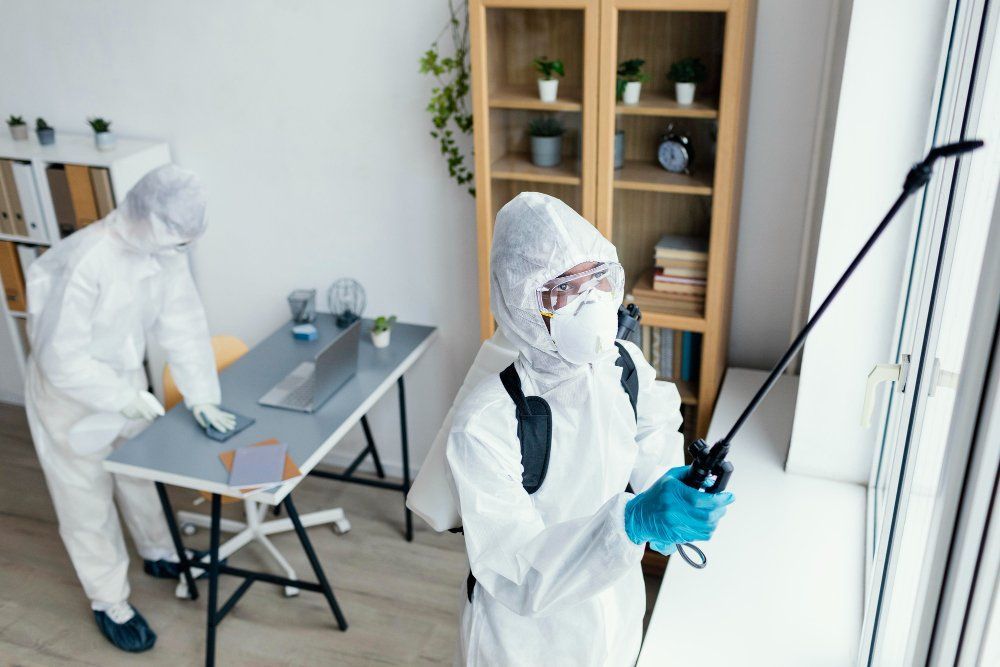
IPM for Homes and Businesses
Integrated Pest Management is exceptionally versatile, offering solutions for both residential and commercial environments. Homeowners benefit from safer treatments, reduced pesticide use, and long-term prevention strategies that safeguard their families and pets.
Commercial clients appreciate IPM’s alignment with industry regulations and its ability to reduce costly downtime, reputational damage, and recurring infestations.
Whether addressing rodents, cockroaches, termites, ants, or seasonal pests, IPM provides a more stable, responsible, and future-ready approach to pest control, especially in regions experiencing high humidity, dense urban activity, or rapid pest migration.
Conclusion
Integrated Pest Management represents the future of responsible pest control. By combining science, prevention, and strategic treatment methods, IPM delivers long-lasting results that protect both people and the environment. For homeowners and businesses seeking safer solutions, IPM is not only effective, it’s essential.
If you want smarter, sustainable pest control tailored to your property’s needs, Presidio Pest Management is ready to help.
Book your IPM consultation today and experience a healthier, more effective approach to pest management.
FAQs About Integrated Pest Management
What makes IPM different from traditional pest control?
IPM focuses on prevention, monitoring, and environmentally sensitive treatments, while traditional pest control typically relies heavily on chemical applications.
Is IPM safe for children and pets?
Yes. Because IPM reduces chemical exposure and prioritizes safer alternatives, it is one of the most family-friendly pest control methods available.
Does IPM work for severe infestations?
Absolutely. IPM can be extremely effective even in challenging cases, thanks to its combination of biological, mechanical, cultural, and targeted chemical strategies.
Is IPM more expensive?
IPM may involve more assessment upfront, but long-term savings come from fewer recurring treatments and better environmental control.
Can IPM be used for both homes and commercial spaces?
Yes. IPM is widely used in residential properties, schools, restaurants, offices, warehouses, and sensitive facilities like hospitals.
Author
Author Bio: Presidio Pest Management is a trusted leader in residential and commercial pest control, specializing in modern, eco-friendly solutions. With two decades of experience, our team is committed to delivering safe, sustainable, and long-lasting results through advanced IPM practices.